
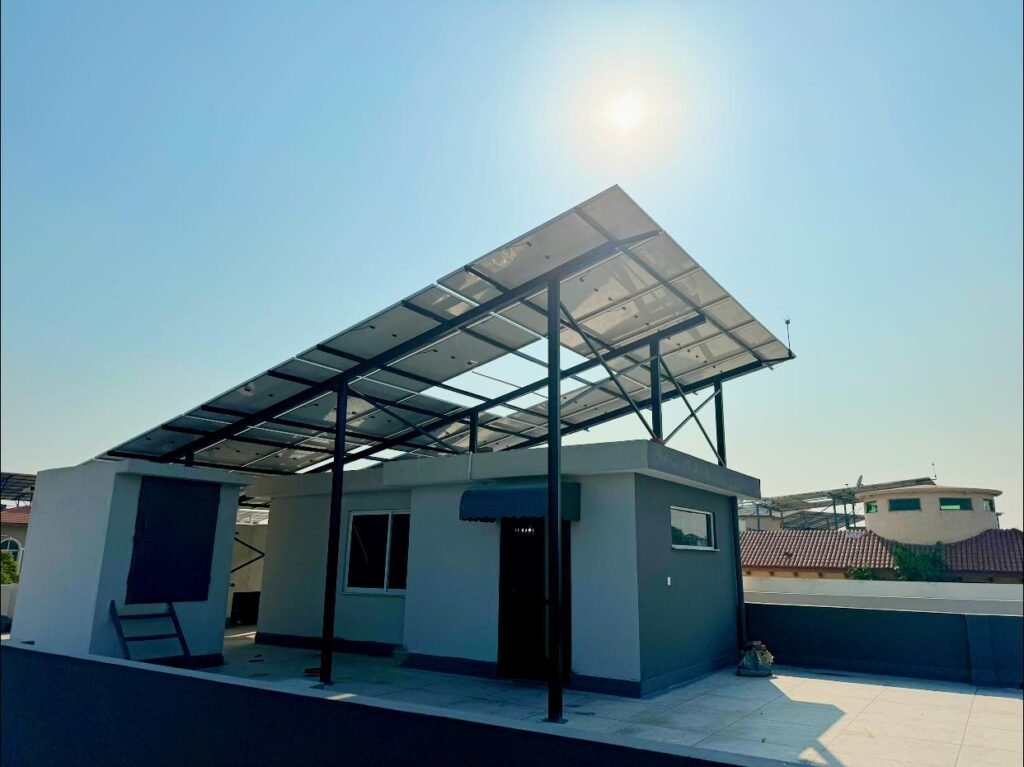
As energy costs continue to rise and environmental concerns become increasingly urgent, solar power has emerged as a game-changer. Solar panels, also known as photovoltaic (PV) panels, have made sustainable energy accessible to millions of homes and businesses around the world. But how did we get to this point? Let’s dive into the fascinating history of solar panels and explore how they can help reduce your electricity bill.
The Origins of Solar Power
The idea of harnessing the sun’s energy isn’t new. In fact, solar energy was first used in the 19th century. The story begins with the work of French physicist Edmond Becquerel, who discovered the photovoltaic effect in 1839. Becquerel observed that certain materials would produce an electric current when exposed to light. This discovery laid the foundation for solar power as we know it today.
However, it wasn’t until 1954 that the first practical solar cell was created by scientists Russell Ohl and Gerald Pearson at Bell Labs in the United States. This solar cell, made of silicon, was the first to convert sunlight directly into electricity in a way that was efficient enough for commercial use. The invention of this photovoltaic cell marked the beginning of the modern solar energy era.
The Rise of Solar Panels: Technological Breakthroughs
In the decades following Bell Labs’ breakthrough, solar technology continued to evolve. Throughout the 1960s and 1970s, solar panels were primarily used for niche applications like powering satellites and remote weather stations. These early systems were costly, and solar energy was seen as a technology for the future rather than a viable alternative to traditional energy sources.
However, in the 1980s, solar energy began to gain more attention. Rising oil prices and growing environmental awareness pushed governments and private companies to invest in renewable energy technologies. Innovations in materials and manufacturing processes led to more affordable and efficient solar panels, paving the way for their use in homes and businesses.
By the 2000s, the cost of solar panels had dropped significantly, making them accessible to a wider audience. Solar power started to become a serious competitor to fossil fuels as an alternative energy source. Technological advancements like thin-film solar cells and solar shingles made it easier to integrate solar energy into everyday life.
The Benefits of Solar Energy
Solar power has a long list of benefits, making it an attractive option for homeowners, businesses, and even entire communities. Here are some of the key advantages of using solar energy:
- Sustainability: Solar power is a renewable energy source, meaning it won’t run out as long as the sun is shining. Unlike fossil fuels, which contribute to pollution and environmental degradation, solar energy is clean and environmentally friendly.
- Reduced Electricity Bills: One of the most immediate benefits of installing solar panels is the potential to save money on your electricity bill. Solar panels generate electricity from sunlight, which means that the energy you produce can be used to power your home or business, reducing your reliance on the grid.
- Energy Independence: By generating your own electricity, you become less dependent on utility companies and their fluctuating prices. This can offer peace of mind, especially during times of rising energy costs or power outages.
- Low Maintenance: Solar panels are incredibly low-maintenance. Once installed, they require very little upkeep. Regular cleaning and occasional inspections are usually enough to keep them running at peak efficiency.
- Increase in Property Value: Homes with solar panels often have higher resale values. Homebuyers are increasingly looking for energy-efficient homes, and solar panels can make your property more attractive on the market.
- Environmental Impact: Solar energy helps reduce greenhouse gas emissions, fighting climate change and promoting a cleaner, healthier planet for future generations.
How Solar Panels Help Save on Electricity Bills
The most tangible benefit of solar power is its ability to lower your electricity bill. Here’s how it works:
- Solar Energy Generation: When sunlight hits your solar panels, it generates electricity that can power your home. The more sunlight your panels receive, the more electricity they produce. In sunny climates, this can mean a significant portion—if not all—of your energy needs are met by solar power.
- Net Metering: Many regions offer a program called net metering, where any excess electricity your solar panels generate is sent back to the grid. In exchange, your utility company credits your account for the surplus energy. This can result in lower electricity bills or even a “zero balance” during certain months.
- Reduced Energy Costs Over Time: Although the initial investment in solar panels can be high, over time, the savings on your energy bill will offset the cost of installation. The average payback period for a solar system is typically between 5 to 10 years, depending on factors like location, energy usage, and system size.
- Energy Storage: For those who want to maximize savings, solar battery storage is an option. These systems store excess energy produced by the solar panels during the day so that it can be used at night or during cloudy days. By using stored energy, homeowners can further reduce their reliance on the grid, resulting in even lower electricity bills.
The Future of Solar Energy
As technology continues to improve, solar energy is poised to become even more efficient and affordable. Advances in solar panel efficiency, energy storage systems, and grid integration will only make solar power more attractive to consumers and businesses alike.
Governments and businesses around the world are increasingly committing to renewable energy goals, which is likely to accelerate the growth of solar power. With continued innovation and growing consumer demand, solar panels will undoubtedly play a key role in the transition to a cleaner, more sustainable energy future.
Conclusion
The history of solar panels is a testament to human ingenuity and our growing commitment to finding sustainable energy solutions. From humble beginnings to cutting-edge technology, solar power has proven to be a reliable and cost-effective way to reduce electricity bills, increase energy independence, and protect the environment. With continued advancements in solar technology, the future looks bright for renewable energy—and for your pocketbook!